
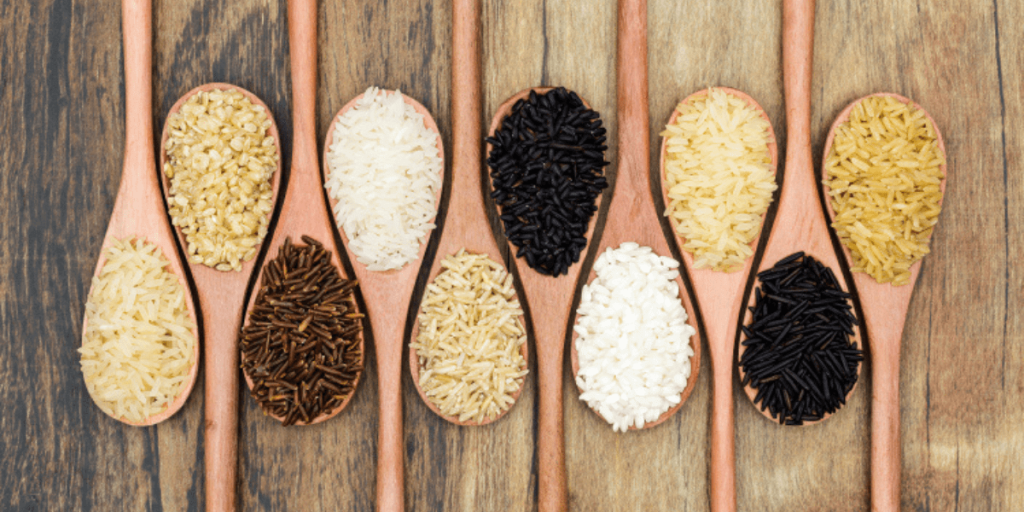
Can I eat rice? I’m a rice eater, I cannot live without rice. I do not like the taste of brown rice. Are there varieties of rice that a diabetic can have? These are a few queries that come to the mind of a client when they approach me for the diet. I hope anyone who is reading this article has the same question as my other clients have. So let me address a few of them.
Yes, you can eat rice but depends on the quantity and quality of the rice. India has wide varieties of rice. It is a staple food for more than half of the world’s population with 90% of the total global production from Asia. Rice is a good source of minerals like magnesium, phosphorus, manganese, selenium, iron, and vitamins like B1, B3, B6, B9.
So, let’s discuss the different healthy varieties of rice:
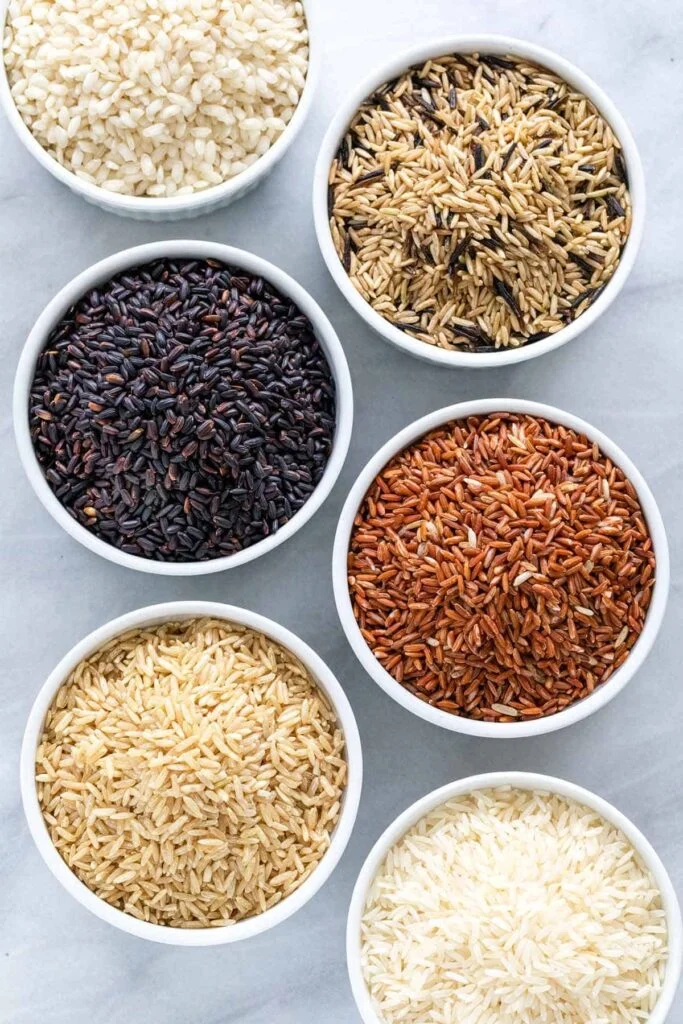
Forms of Rice:
- Brown Rice: Yes, they are very healthy because they contain a bran layer which gives them a brown color, and is a rich source of Vitamin B group (B1, B3, B6, B9). The bran of brown rice contains many powerful antioxidants, which can help neutralize harmful free radical compounds and reduce inflammation in the body which may help prevent chronic diseases such as heart disease, cancer, and type 2 diabetes. They are low in Glycemic Index (50) which means do not elevate blood sugar levels much.
- Downside: Brown rice may contain antinutrients (phytates) which decrease the absorption of some nutrient and makes them difficult to digest.
- Basmati Rice: Basmati means “aroma”. The rice is being identified by the long grain and unique fragrance which makes a rice eater fall in love with them. It comes in both forms, white and brown. The white form is more processed with husk, hull, bran is removed whereas, in brown form, only hull gets removed. Due to its unique high amylose to amylopectin ratio, they are in the medium in Glycemic Index (55-58), so can be consumed in moderation for a diabetic. They also have a good amount of soluble fiber which will keep your gut healthy.
- Par-boiled Rice: This variety of rice is very popular in Southern India. Also known as converted rice which is partially pre-cooked in its inedible husk before being processed for eating. It is soaked, steamed, dried in husk but after harvest. This process turns rice light yellow rather than white. During parboiling, some water-soluble nutrient moves from bran to rice kernel which minimizes the loss of nutrient. The process of parboiling increases the resistant starch which makes them favorable food for gut bacteria (prebiotic). They are also a safer option for diabetics.
- Red Rice: They are red due to the presence of anthocyanin (antioxidant) and iron present in them. Red rice is unpolished which makes them healthy than any other variety of rice. They are excellent in regulating cholesterol levels due to the presence of monacolin K (a chemical compound similar to cholesterol-lowering drugs, Statins). Due to good fiber content, can be consumed safely by diabetic and obese people.
There is a long list of rice that can be eaten guilt-free as we have diverse varieties. The only key points to remember when eating any type of rice is “Less processed, be local, less white color and eat in moderation”.
For any queries, please feel free to write in the comment section.