
Don't waste your time call us!
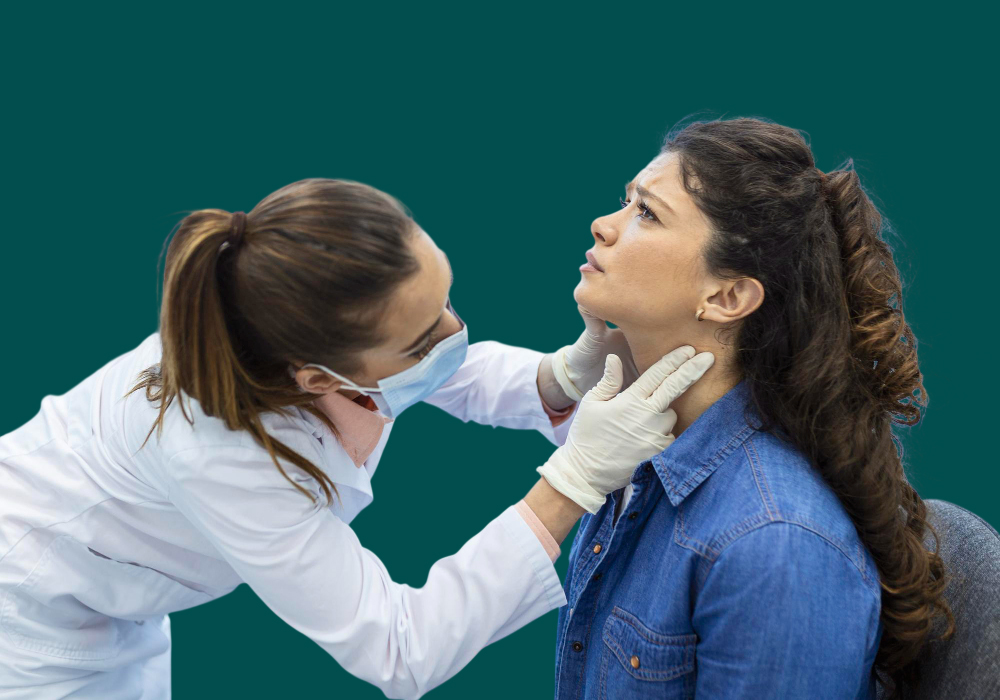
Still struggling with high TSH, fatigue, weight gain or hair fall despite thyroid medicine? HealthifybyAnu supports hypothyroidism, Hashimoto’s thyroiditis and other thyroid conditions through personalised nutrition and lifestyle care alongside medical treatment.
Taking your thyroid tablet every morning, yet your TSH remains elevated—or you continue to struggle with fatigue, weight gain, constipation, hair fall, low mood and poor concentration.
Thyroid medicine is often essential because it replaces the hormone your body is unable to produce adequately. However, persistent symptoms or abnormal reports deserve a closer look rather than another random diet or supplement.
At HealthifybyAnu, we work alongside your medical treatment to understand the nutritional, metabolic and lifestyle factors that may be affecting your thyroid health.
An underactive thyroid may cause:
Hashimoto’s is an autoimmune condition in which the immune system attacks the thyroid gland.
It is a common cause of hypothyroidism and may require long-term thyroid-hormone replacement.
An overactive thyroid may cause:
Persistently elevated TSH may occur because of:
These factors should be reviewed with your physician before assuming that the medicine is not working.
Depending on your diagnosis and available medical reports, your personalised programme may also consider:
Hashimoto’s requires a broader assessment than TSH alone, including symptoms, thyroid antibodies where medically appropriate, dietary adequacy and associated autoimmune conditions.
Selenium, iron, zinc, iodine, vitamin B12 and vitamin D contribute to normal physiological functions. Deficiency should be identified before supplementation.
Gastritis, coeliac disease, inflammatory bowel disease and certain medicines may interfere with levothyroxine absorption.
Chronic stress and disturbed sleep can worsen fatigue, appetite, mood and overall wellbeing.
The liver participates in thyroid-hormone metabolism. Fatty liver, insulin resistance, high cholesterol and weight concerns may also coexist with hypothyroidism and require separate attention.
We don’t promise to cure every thyroid disorder through food.
Instead, we help you build a supportive nutrition and lifestyle plan based on your diagnosis, symptoms, medicines and metabolic health.

An individualized thyroid nutrition plan considers your diagnosis, symptoms, laboratory results, medications and informs eating habits, physical activity, weight objectives, digestion and biological needs.
Indeed, suitable nutrition and lifestyle modifications can promote effective weight management and improved energy levels. However, results vary significantly based on your diagnosis, medical treatment, diet, physical activity and sleep.
In general, a balanced diet with sufficient proteins, fibers, fruits and vegetables can help maintain your health with hypothyroidism. Nonetheless, dietary choices should be individualized according to your specific dietary needs and your diagnosis.
Nutrition can help manage Hashimoto’s but should not be considered a substitute for actual treatments.
High TSH levels can be a result of factors such as the level of medication increase, timing of medication, consumption of food or drinks, interactions with iron or calcium, gastrointestinal issues or medical conditions.
The unique approach involves the use of your symptoms, medications, medical history, lifestyle, health goals, nutritional needs and metabolic factors compared to standard diets for the thyroid.
Your Path to Better Health. Personalized Coaching for a Stronger, Healthier You!
207, Oriana Crest, Datta Mandir Rd, near Polaris Hospital, Postal Colony, Shankar Kalat Nagar, Wakad, Pune, Pimpri-Chinchwad, Maharashtra 411057
602, 6th Floor, S K Business Park, opposite ABZ, above Benecare Hospital, Lalit Estate, Baner, Pune, Maharashtra 411069
Copyright © 2026 healthifybyanu. All Rights Reserved.